Figurative Artists - John Singer Sargent's Works
SARGENT'S BIOGRAPHY
(1856-1925)
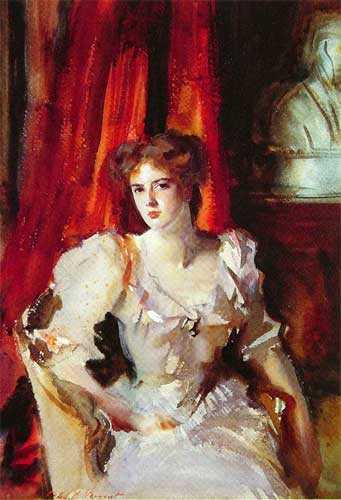
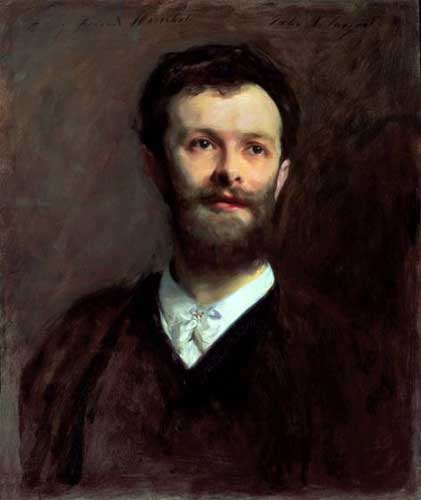
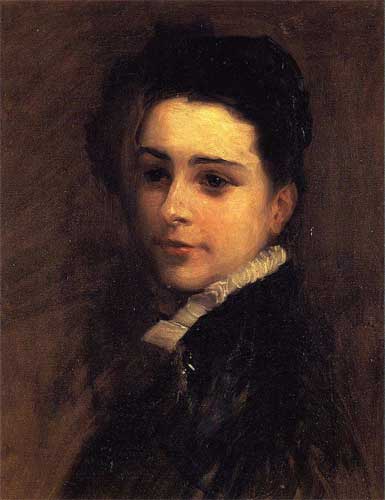
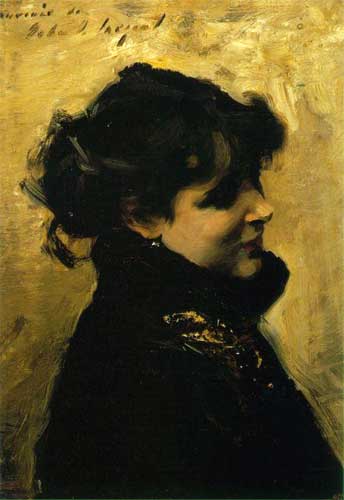
John Singer Sargent was an American painter by birth-right. He loved his country yet he spent most of his life in Europe. He was the most celebrated portraitist of his time but left it at the very height of his fame to devote full time to landscape painting, water colors and public art.
He was born in Florence, to American parents and traveled extensively throughout Europe. His parents never settled back in America, not stepping foot in the States himself until right before his 21st birthday to retain his citizenship.
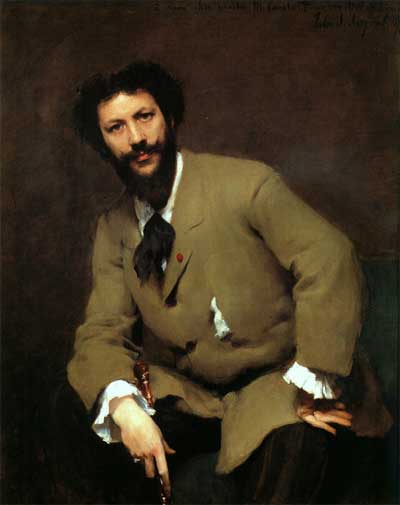
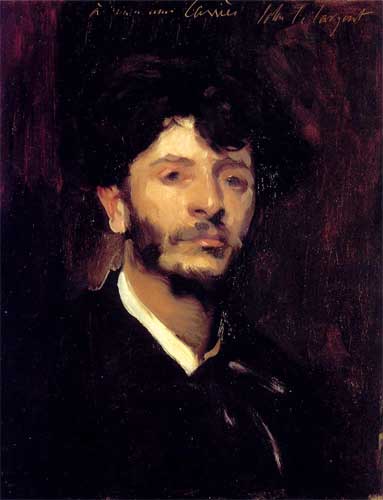
He was schooled as a French artist, heavily influenced by the Impressionist movement, the Spanish Master Velazquez, the Dutch Master Frans Hals, and his teacher Carols-Duran . He was the darling of Paris until the scandal of his Madame X painting at the 1884 Salon.
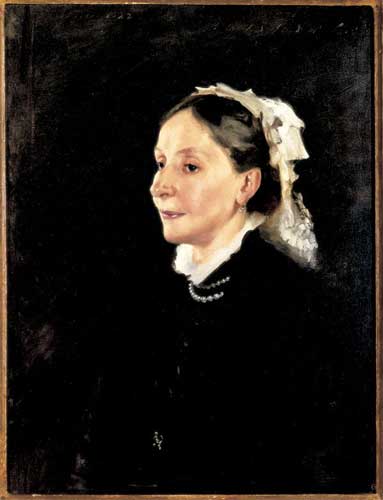
Discouraged at the rejection, even considered leaving art at the age of 28, he left Paris and settled (if that word could ever be used for him) in England where he reached the height of his fame. To be painted by Sargent was to be painted by the best.
Although England would be his home, he never stopped traveling and he never stopped painting. To describe Sargent is to say that he painted. It was his life and yet he had a deep appreciation for music and all art forms and went out of his way to promote other artists -- for this selflessness he was greatly loved.
Extremely bright, extremely gifted, an intense hard worker, he was the last great generalist. It is hard to put a label on him for he could master so many different painting styles. He was an Impressionist, a Classical Portraitist, a Landscape Artist, a Water Colorist, a Muralist of public art, and even started sculpting at the last of his life. He was all of these things and yet he was none of them in total.
He once said that the knowledge of a technique for an artist, such as Impressionism, "does not make a man an Artist any more than the knowledge of perspective does -- it is mearly a refining of one's means towards representing things and one step further away from the hieroglyph".
He is often passed by, not studied, or dismissed because he was never a radical artist or trend-setter. He always worked within the wide, rich textured pallet of known and established styles. Yet his brilliance was in fusing these elements together and for this he has never fully gotten credit.
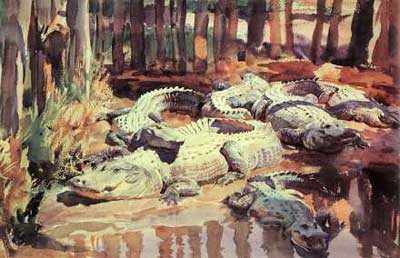
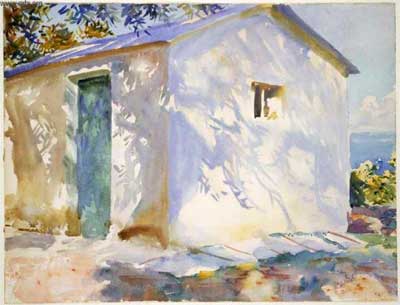
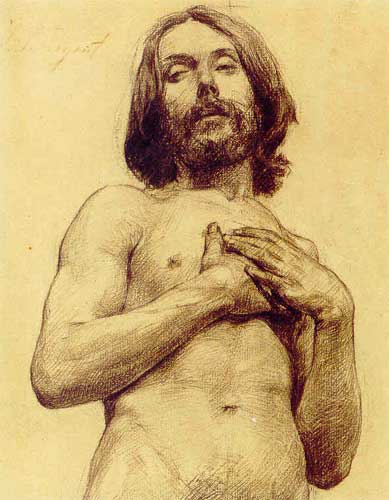
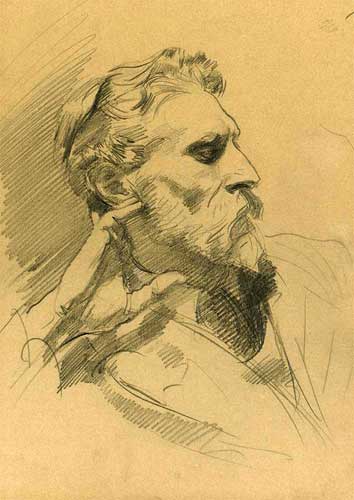
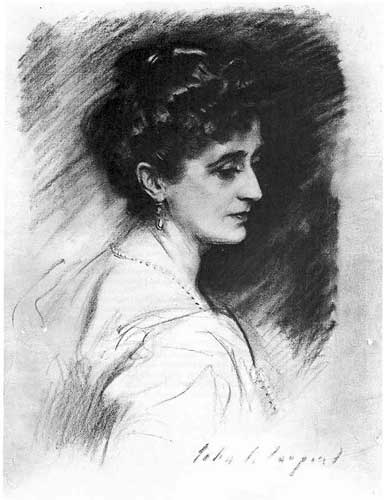
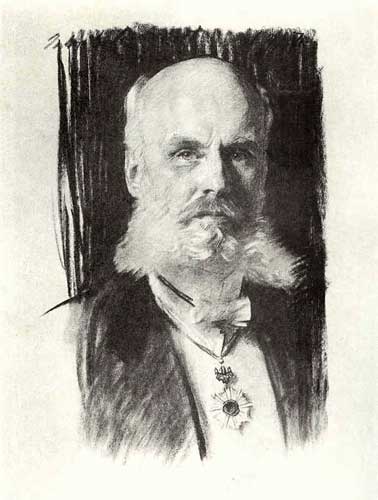
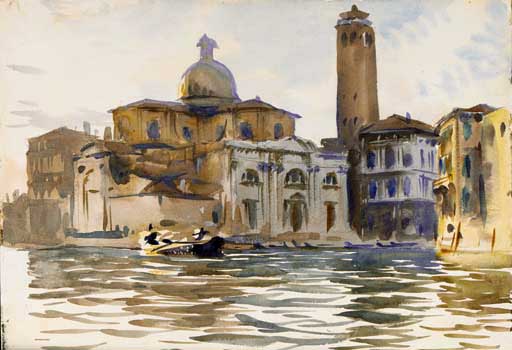
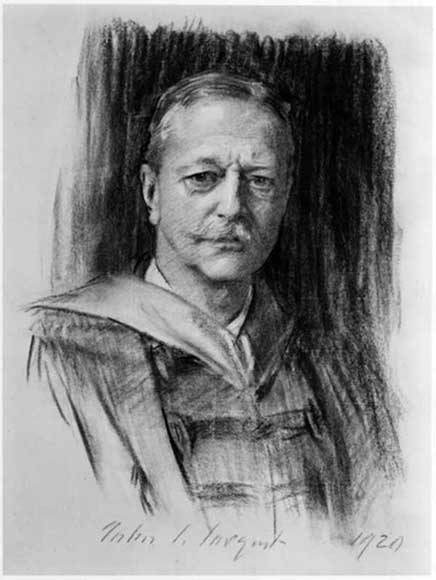
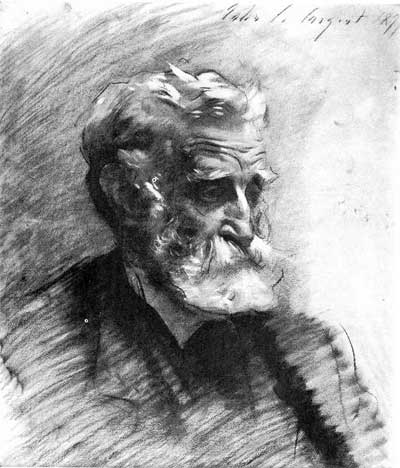
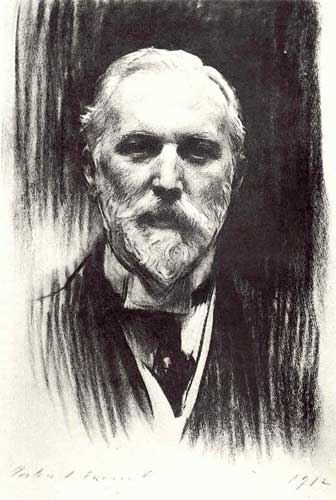
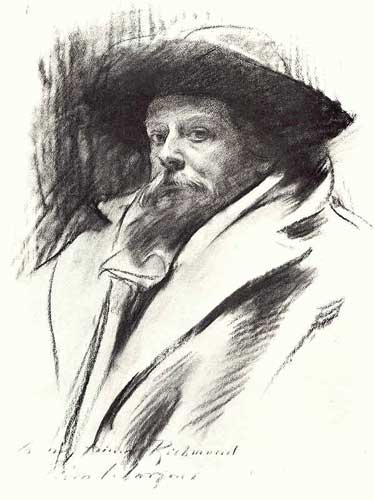
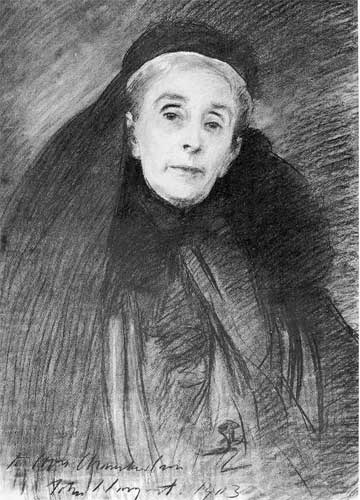
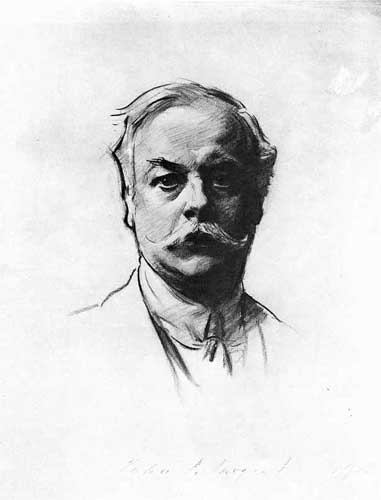
His output was prodigious. Working dawn till dusk in some cases -- even on vacations, and sometimes seven days a week. Between 1877 (when his work really started taking off) and 1925, he did over 900 oils and more than 2,000 watercolors along with countless charcoal sketch-portraits and endless pencil drawings.
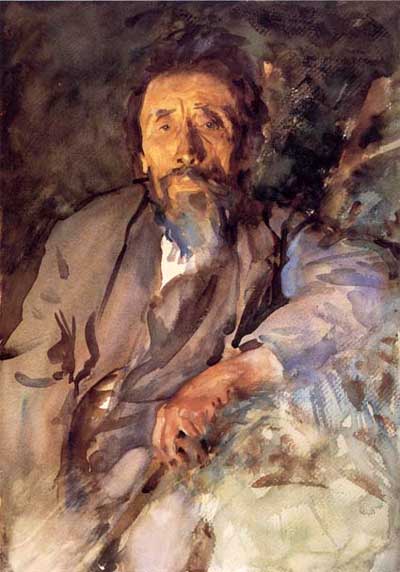
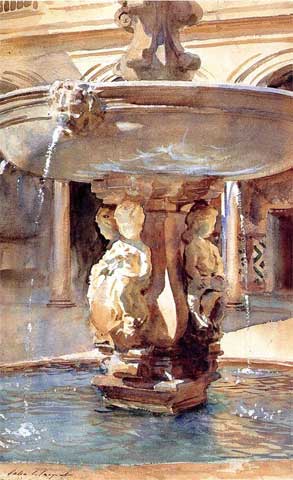
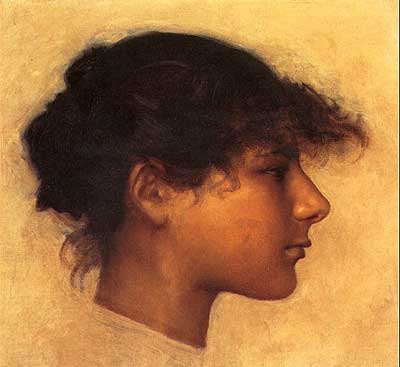
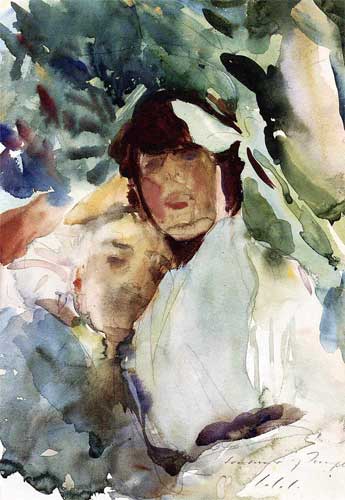
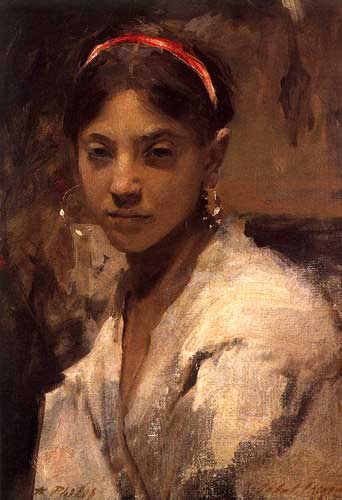
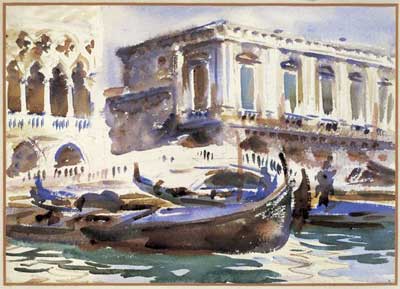
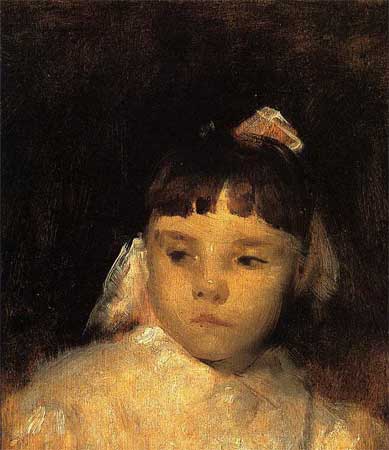
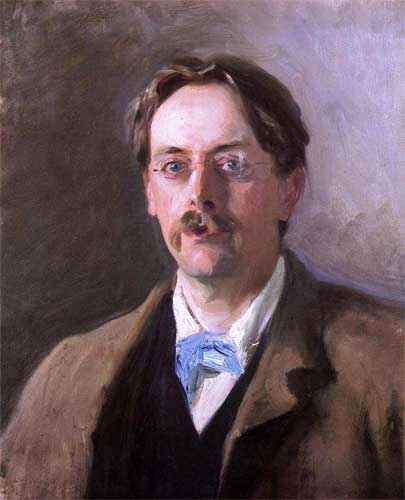
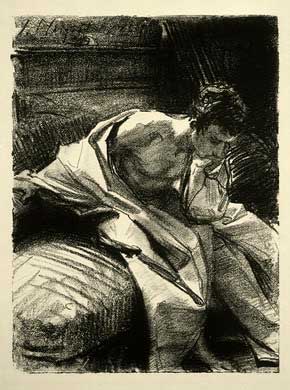
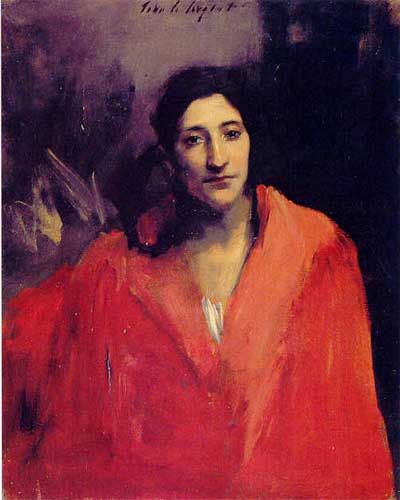
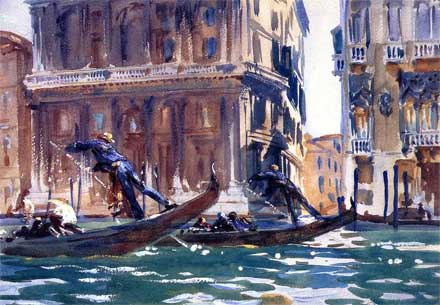
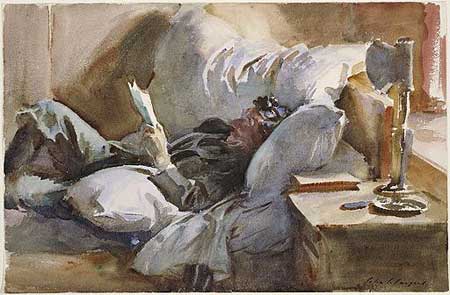
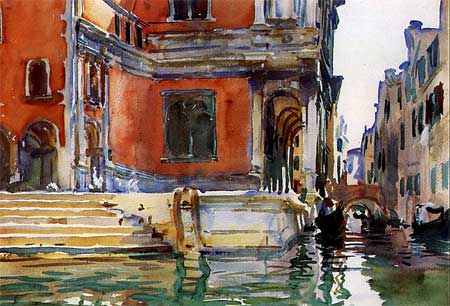
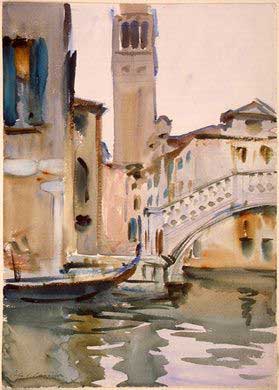
He painted two United States presidents, the aristocracy of Europe, the new and emerging tycoons and barons of business -- Rockefeller, Sears, Vanderbilt; and he painted gypsies, tramps, and street children with the same gusto and passion. He hiked through the Rocky Mountains with a canvas tent under pouring rain to paint the beauty of waterfalls, and painted near the front lines during World War I to capture the horrors of war. He painted the back alleys of Venice, sleeping gondoliers, fishing boats and the dusty side streets of Spain. He painted opulent interiors and vacant Moorish Ruins. He painted the artists of his time -- performers, poets, dancers, musicians, and writers -- Robert Louis Stevenson, and Henry James. He painted the great generals of the Great War, and the Bedouin nomads in their camps. He painted grand allegorical murals, and his friends as they slept.
And he painted . . . .
Where others kept journals, John Singer Sargent painted his, and his life can easily be chronicled by these records in color and canvas. He loved people, yet was intensely private. And he loved his family deeply and devotedly, though he never had a family himself (was childless and never married). He was simply, a great man and a great Artist.
John Singer Sargent's Works