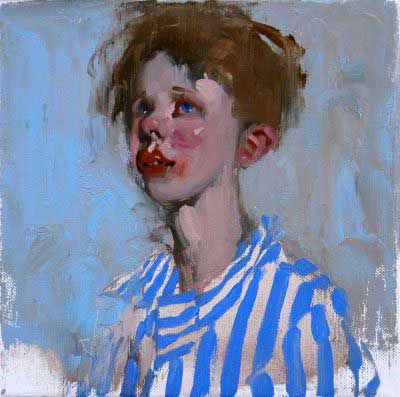
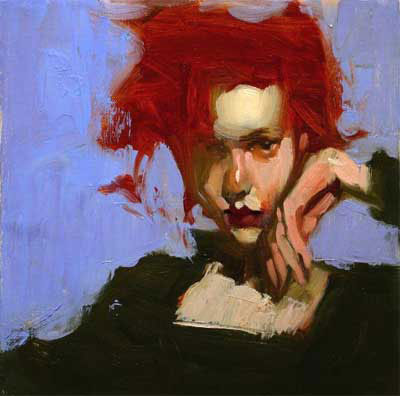
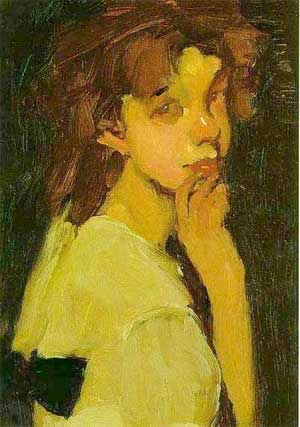
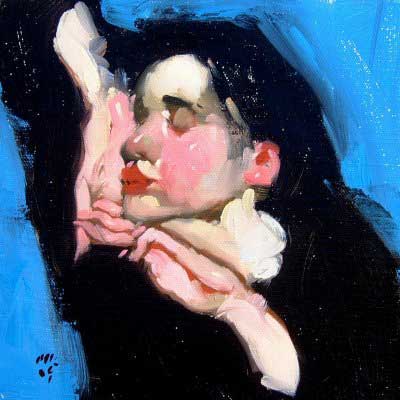
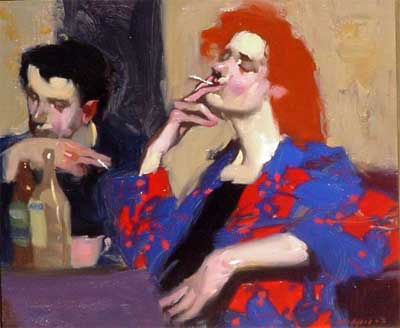
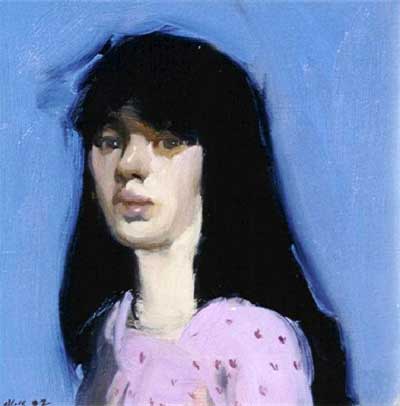
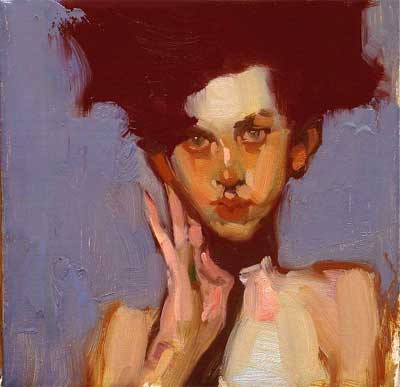
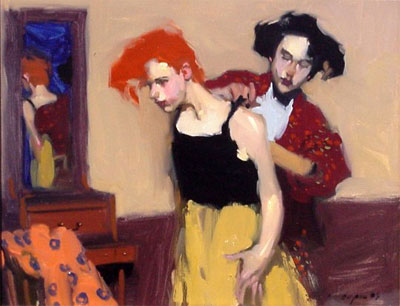
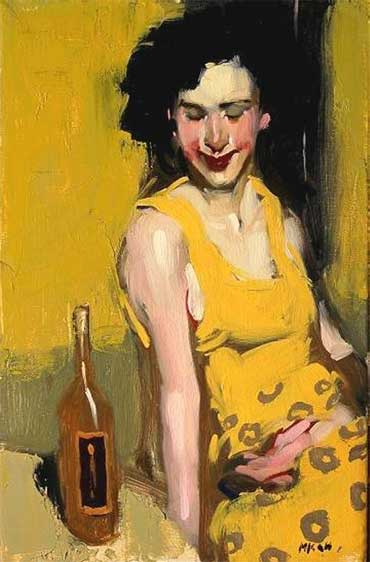
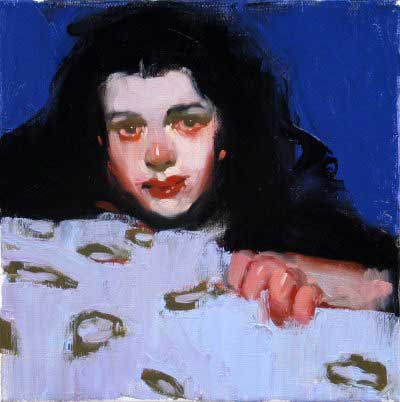
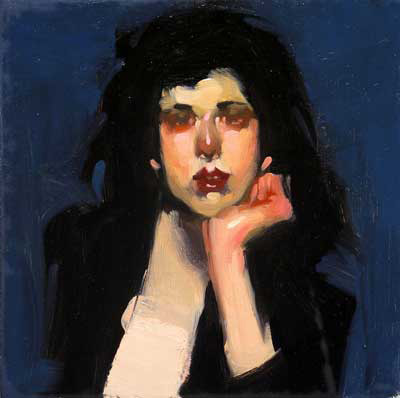
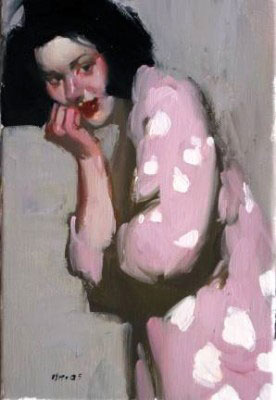
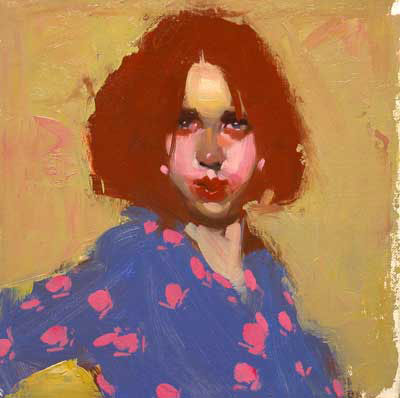
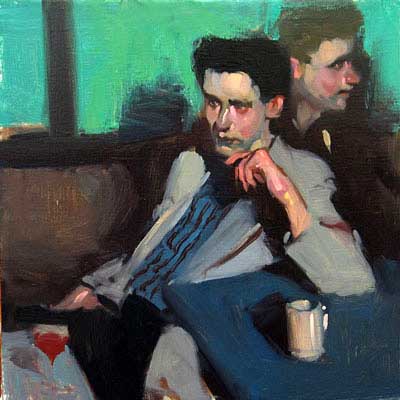
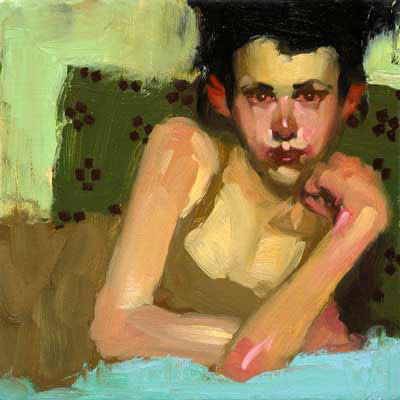
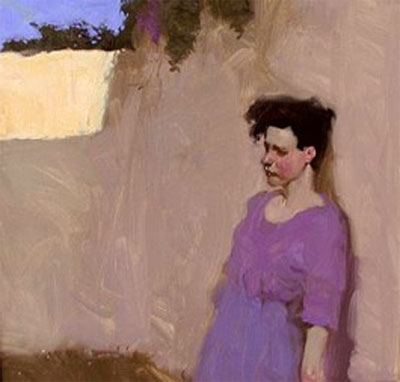
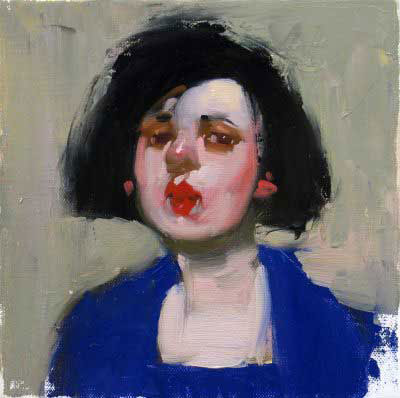
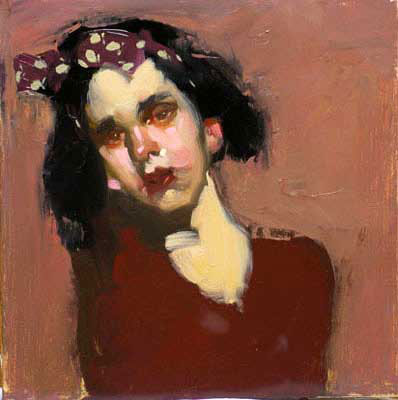
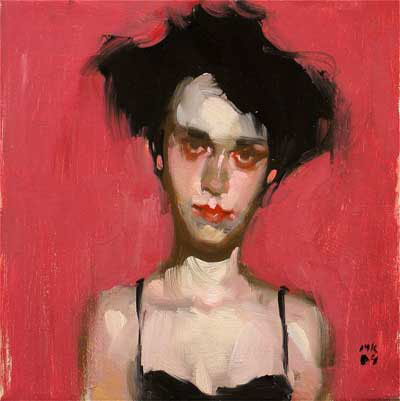
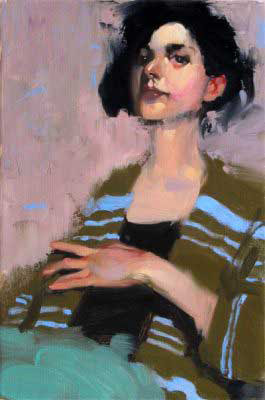
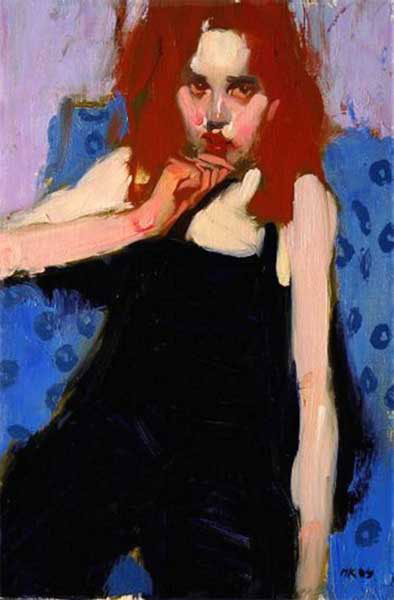
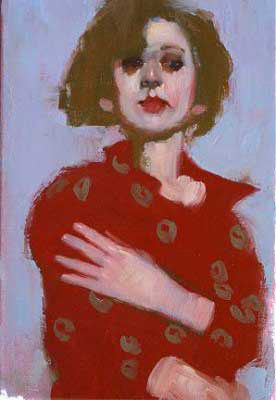
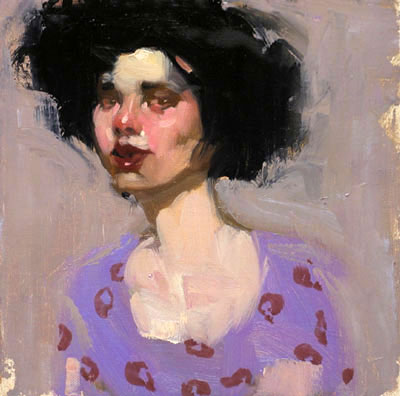
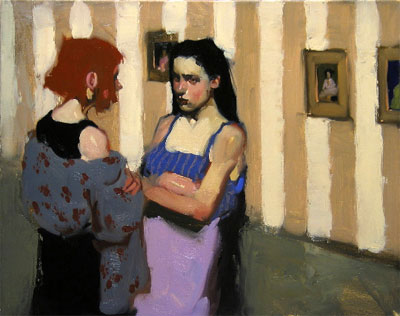
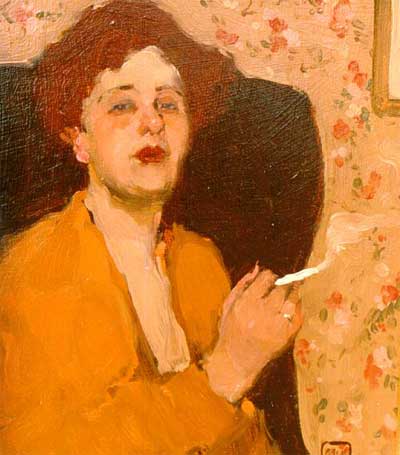
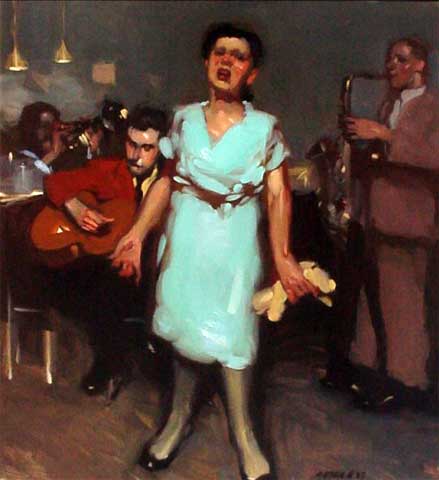
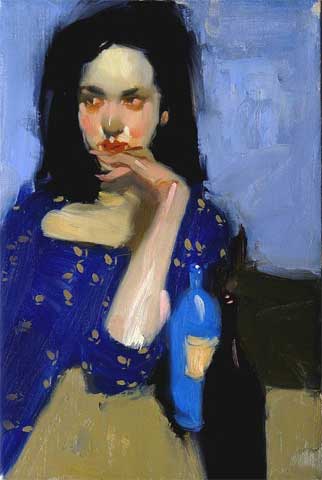
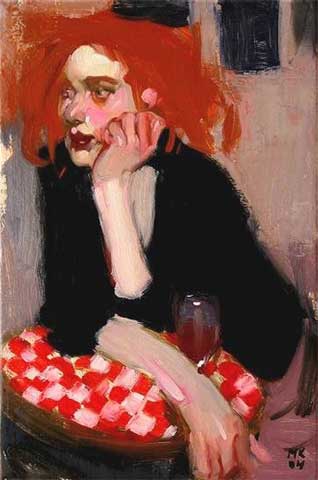
Figurative Artists - Milt Kobayashi's Works
KOBAYASHI'S BIOGRAPHY
(CONTEMPORARY ARTIST)
A third generation Japanese-American, Kobayashi was born in New York City, soon after that his family moved to Oahu, Hawaii, and then ventured to Los Angeles when he was eight. After receiving his B.A. in 1970 from the University of California - Los Angeles, Kobayashi began working as an illustrator. However he found his work, which was quite editorial in its nature, did not fit the Los Angeles commercial art market. In 1977, Kobayashi returned to New York City. After returning to New York, a casual visit to the Metropolitan Museum of Art permanently altered Kobayashi's artistic direction and prompted a career change. There he saw Velazquez's portrait Juan de Paraja.
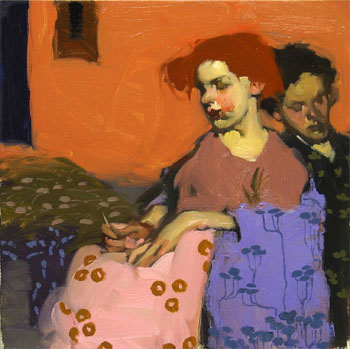
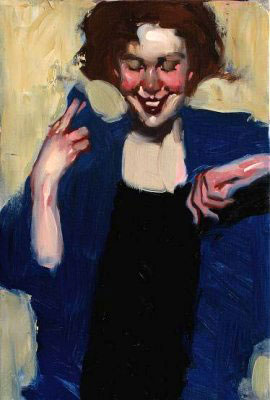
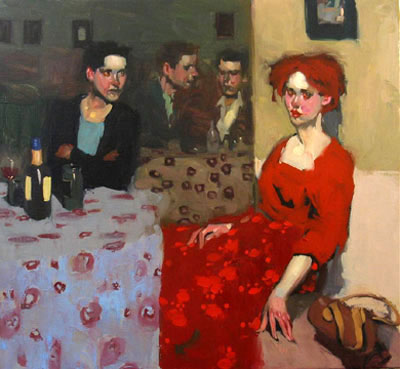
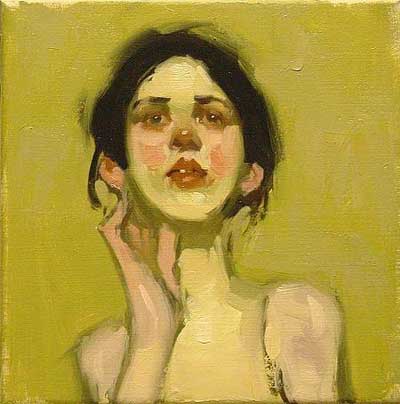
He began studying the works of Whistler, Chase and Sargent, who were also influenced by Velazquez. Strangely enough, it was through his study of Western masters, especially Whistler, that Kobayashi became aware of Japanese art and "the Japanese floating world of Edo". He began studying the 16th and 17th century Japanese Ukiyo-e woodblock print masters Hokasai, Sharaku and Utamaro. Ukiyo-e is defined as "pictures of the floating world," depicting characters in the constantly changing motions of life. The whole perspective of Japanese art allures him - the patterns, color harmonies, use of negative space, and primarily, composition and design.
Kobayashi has received two major awards: the National Academy of Design's Ranger Purchased Award and the Allied Arts Silver Medal. His work has appeared in Forbes, Fortune, and Reader's Digest magazines.
Milt Kobayashi's Works