Figurative Artists - Corneliu Baba's Works
BABA'S BIOGRAPHY
(1906-1997)
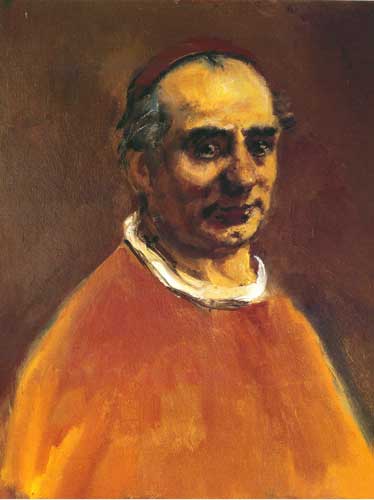
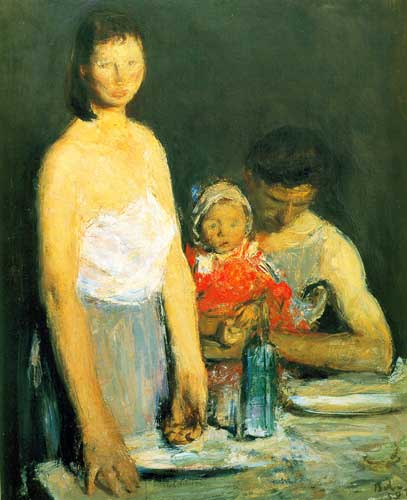
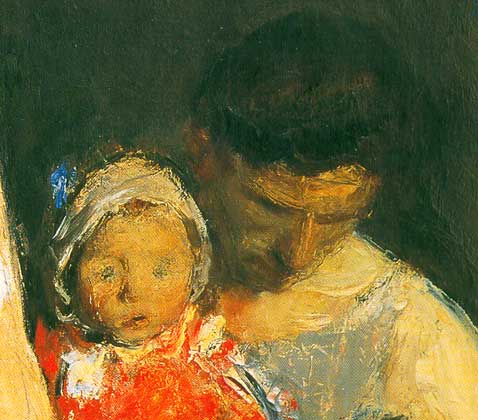
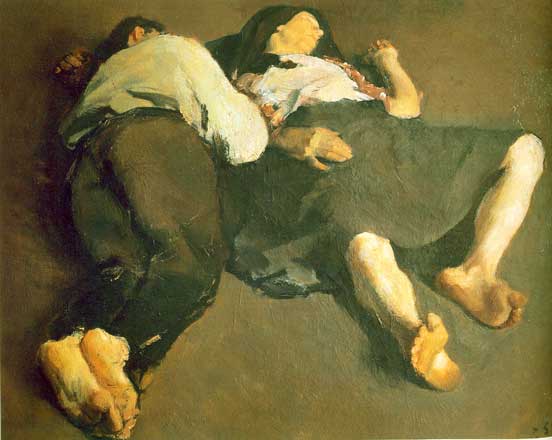
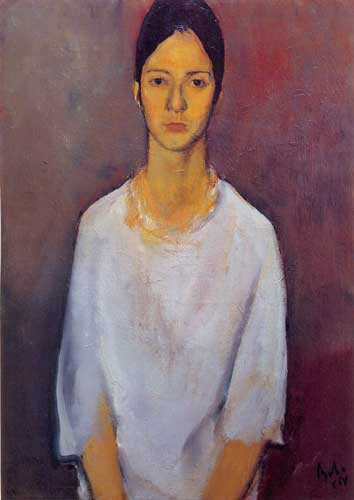
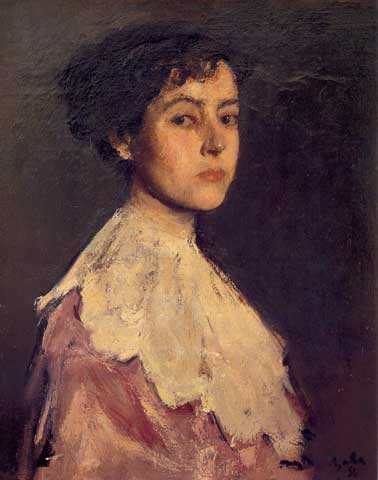
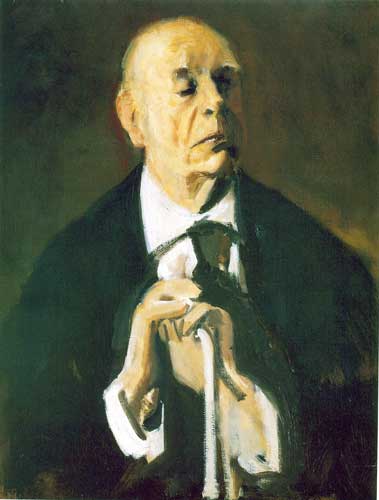
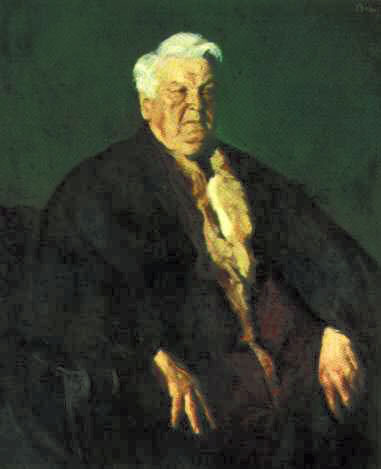
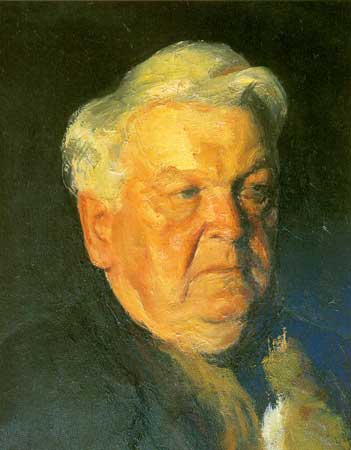
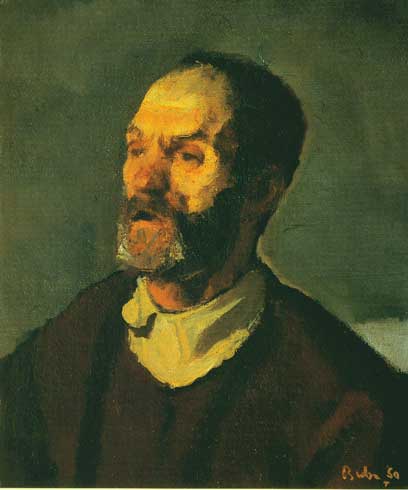
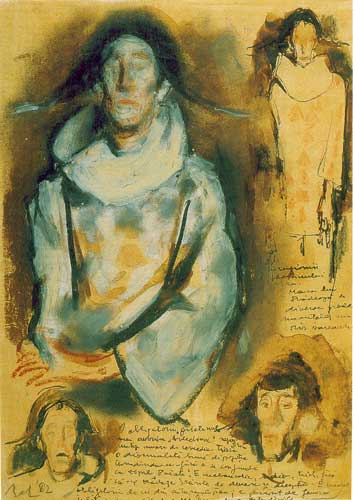
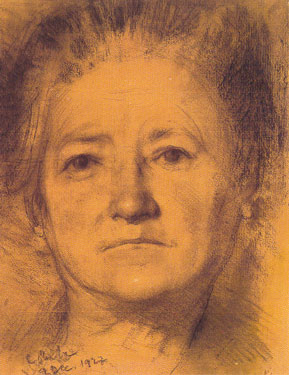
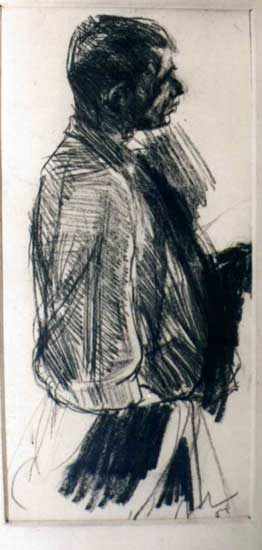
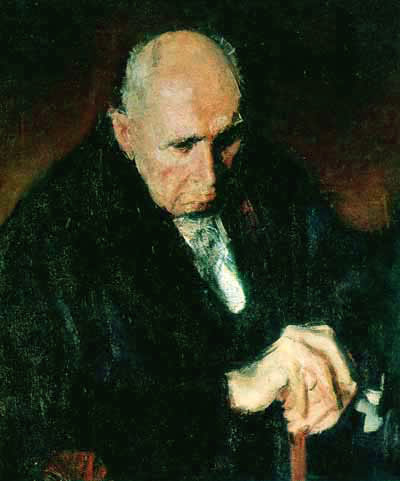
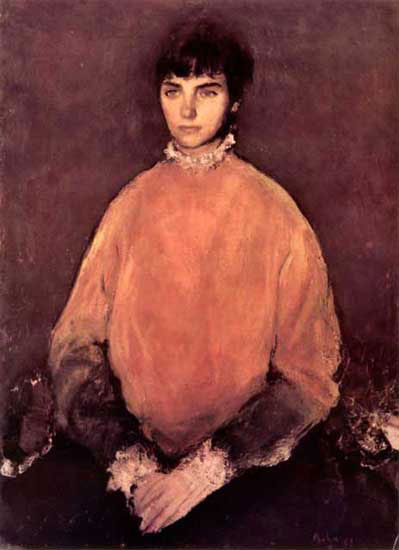
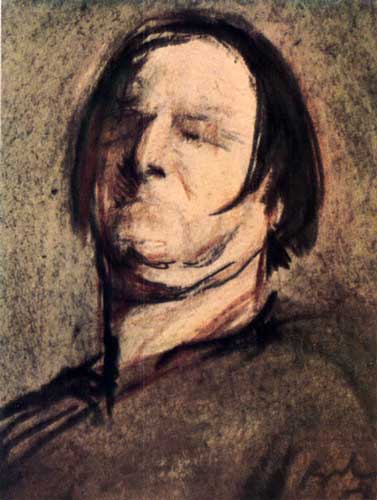
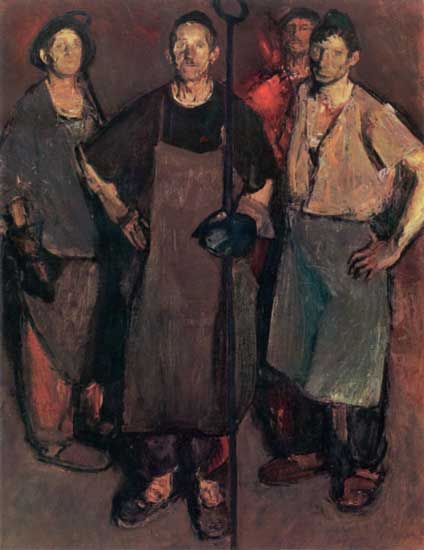
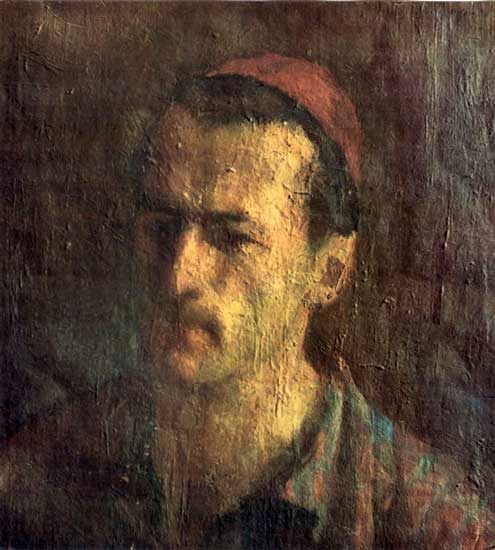
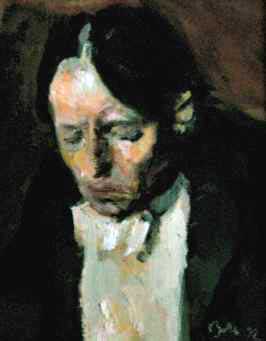
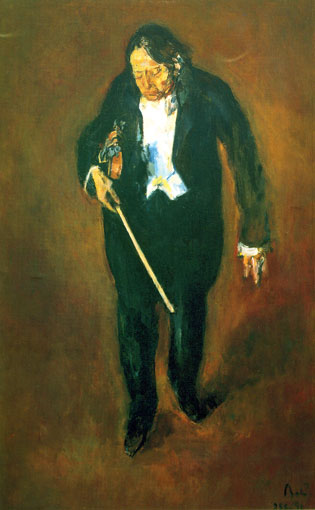
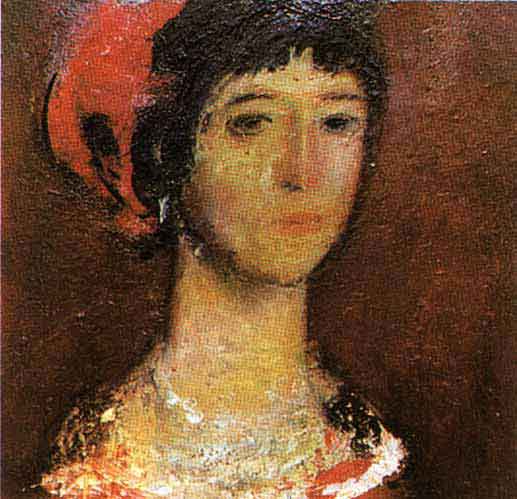
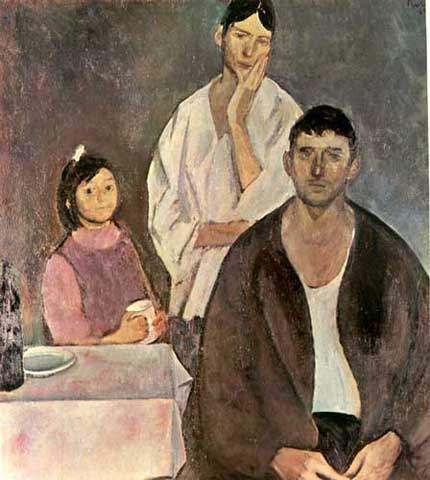
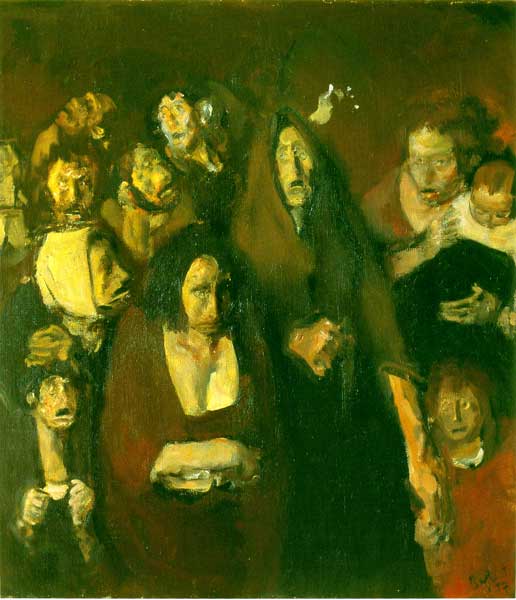
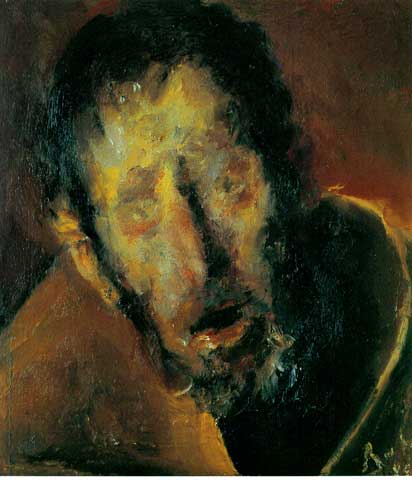
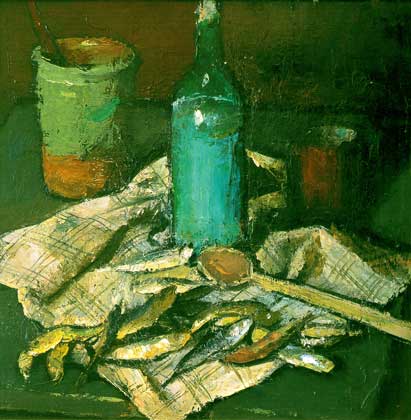
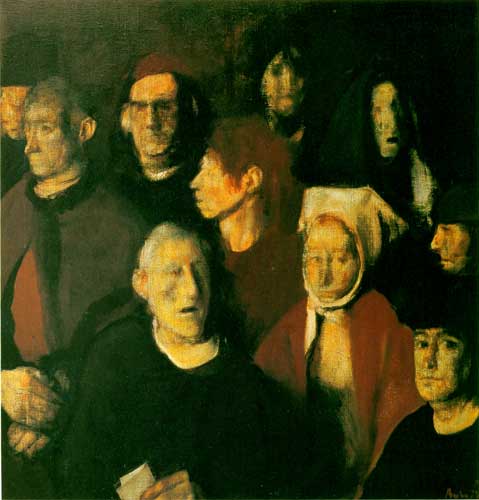
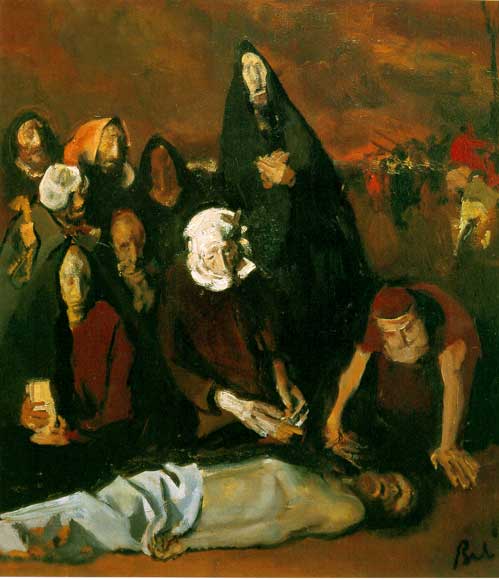
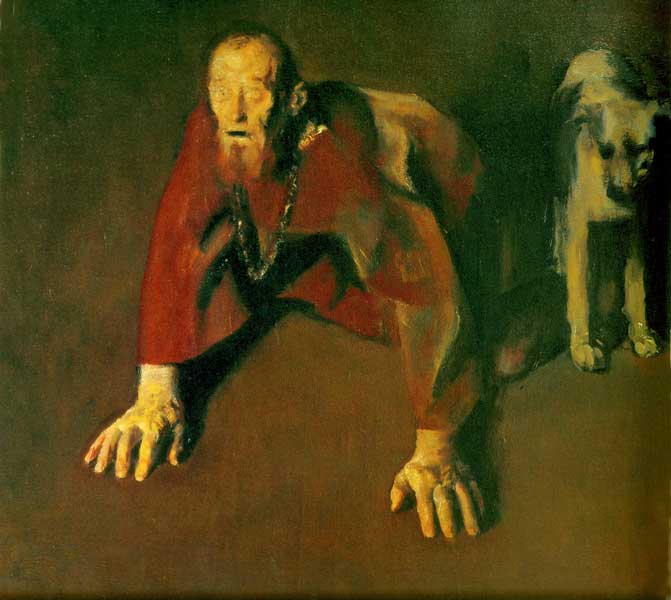
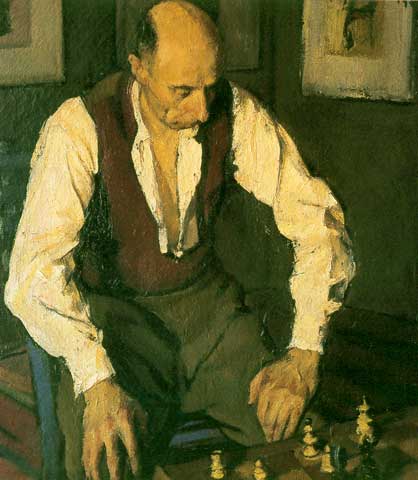
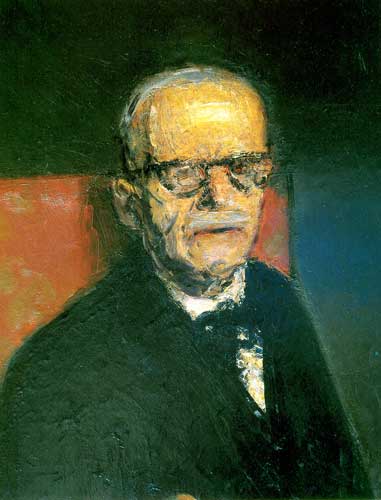
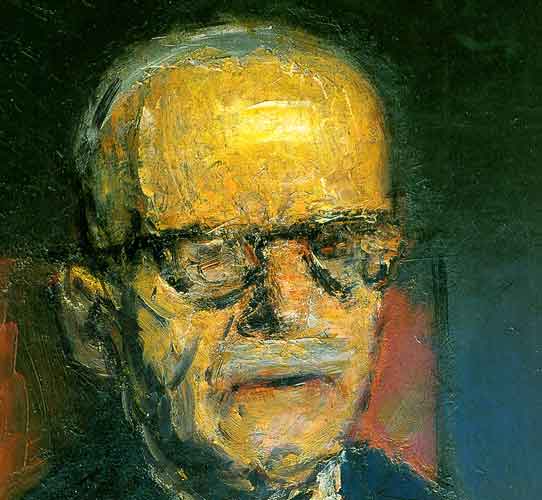
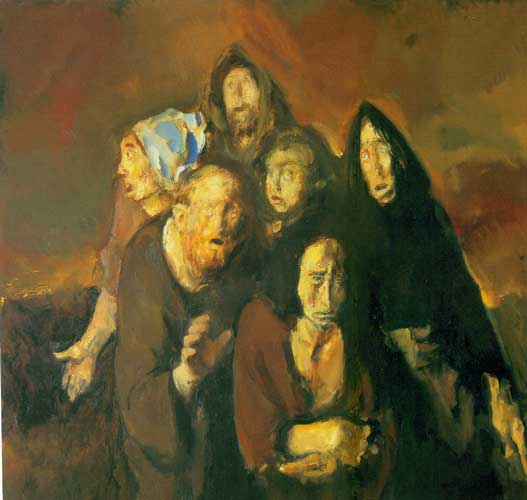
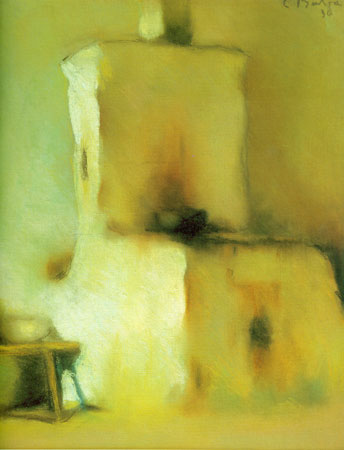
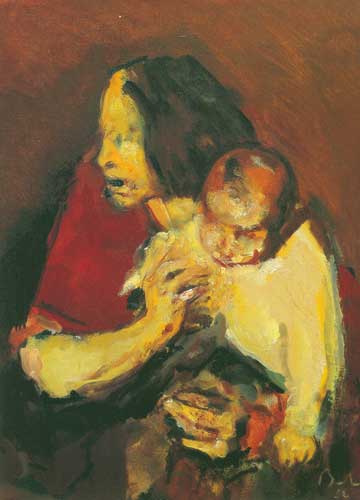
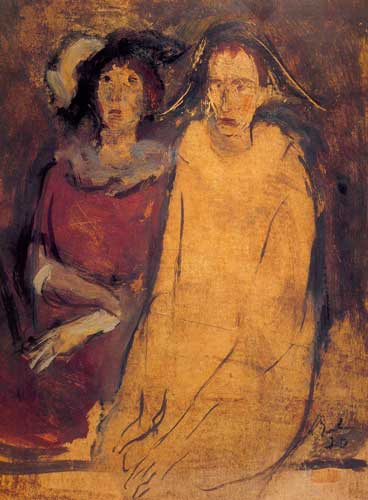
(Born in Craiova- 18 Nov 1906). Romanian painter. He initially studied literature and philosophy at the University of Bucharest, at the same time attending the Academy of Fine Arts (1926–30). He continued to study painting at the Academy of Fine Arts in Iasi (1934–8), where he was taught by "Nicolae Tonitza", but he did not follow Tonitza’s decorative style; his work showed the influence of Gheorghe Petrascu and of 17th- and 18th-century Spanish painting. As with other Romanian painters of the period, Baba was attracted to the rural world, which he represented in a personal manner that owed little to his immediate predecessors, although in his solidly constructed volumes he worked in the tradition of "Cézanne". In his representation of peasants he was not concerned with the picturesque; in this respect he stood apart from the ‘militant art’ of the Socialist Realists and avoided the constraints of official ideology. Initially this stance did not prevent him from receiving official recognition. However, the authorities were less enamored of the expressionism that characterized Baba’s later paintings. In these the figures are often depicted in states of desperation and alienation. This new concentration on the condition of the subject was accompanied by a change of style, with the solidity of form that he had learnt from Cézanne giving way to a version of "Tenebrism". As time passed, the themes in Baba's artwork underwent a transformation. Instead of simply depicting peasants, Baba's focus shifted to capturing the inner turmoil of their lives. Whether it was through a sense of terror, resignation, or madness, Baba's paintings highlighted the absence of hope for these individuals. This was particularly evident in his Mad King cycle, which draws inspiration from the works of "Goya". This style of artistic expression characterized Baba's peak creativity during this time, as evidenced by his late portraits of contemporaries, self-portraits, Venetian landscapes, harlequins, and still-life paintings. In fact, Baba's passion for art was also evident in his role as a painting teacher at the Institute of Fine Arts in Iasi starting from 1946 and at the Fine Arts School in Bucharest from 1958 onwards.
Corneliu Baba's works